



Mission Trails Regional Park Foundation Secures Nearly $1 Million to Reconstruct South Fortuna Stairway
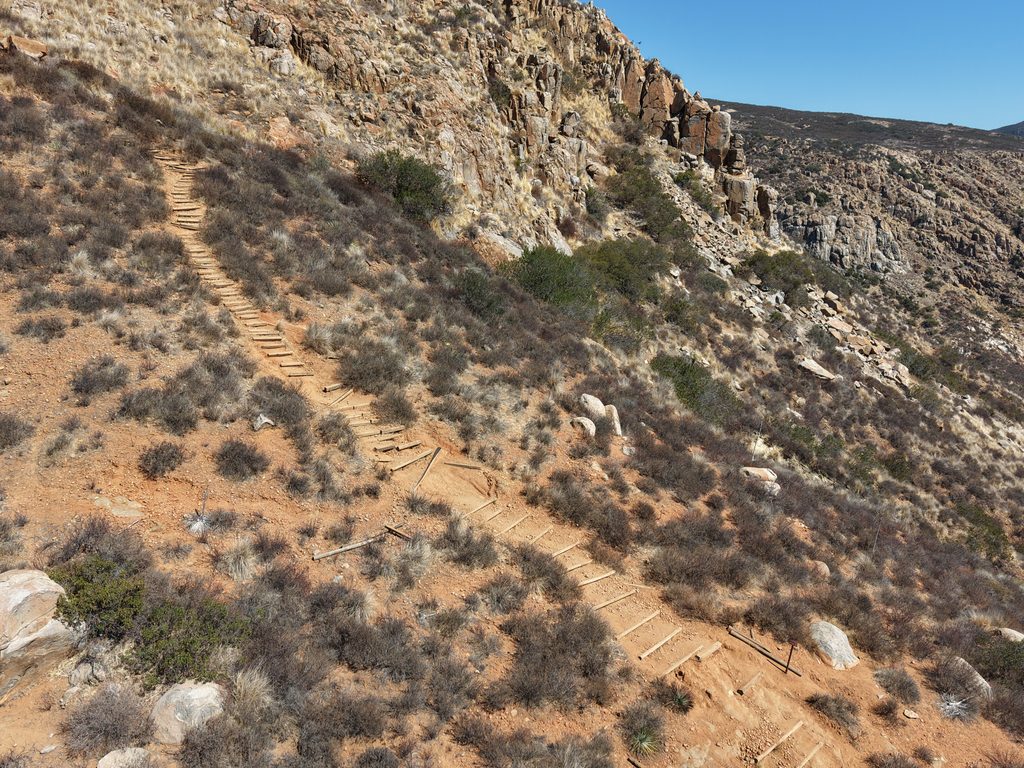
San Diego County residents will gain a safer, more durable route to Mission Trails’ South Fortuna peak while native habitat and the San Diego River watershed receive added protection through a newly approved $990,102 grant secured by the nonprofit Mission Trails Regional Park Foundation (MTRP Foundation). Mission Trails Regional Park is by the City of San Diego, while the MTRP Foundation has served as the City’s nonprofit partner at the park since 1988.
The San Diego River Conservancy Governing Board recently approved $990,102 in Proposition 4 Nature-Based Solutions funding for the Mission Trails Regional Park Foundation (MTRP Foundation), the nonprofit partner of the City of San Diego at Mission Trails Regional Park, to reconstruct the deteriorating South Fortuna Stairway, commonly known as the “Stairway to Heaven,” a fitting nickname for a grueling climb that rewards hikers with sweeping, “heavenly” views of Mission Gorge, the San Diego River and downtown San Diego. The San Diego River Conservancy is a California state agency that works to protect and enhance the San Diego River watershed through investments in public access, habitat restoration, water quality, climate resilience and other conservation projects across the region.
The project is expected to benefit the approximately 60,000 hikers who use the route each year, replacing unstable wooden steps with natural stone, improving drainage, reducing erosion and restoring habitat damaged as hikers have increasingly moved around deteriorated sections of the trail.
October at Mission Trails: Wildlife, Field Trips and Fall Events
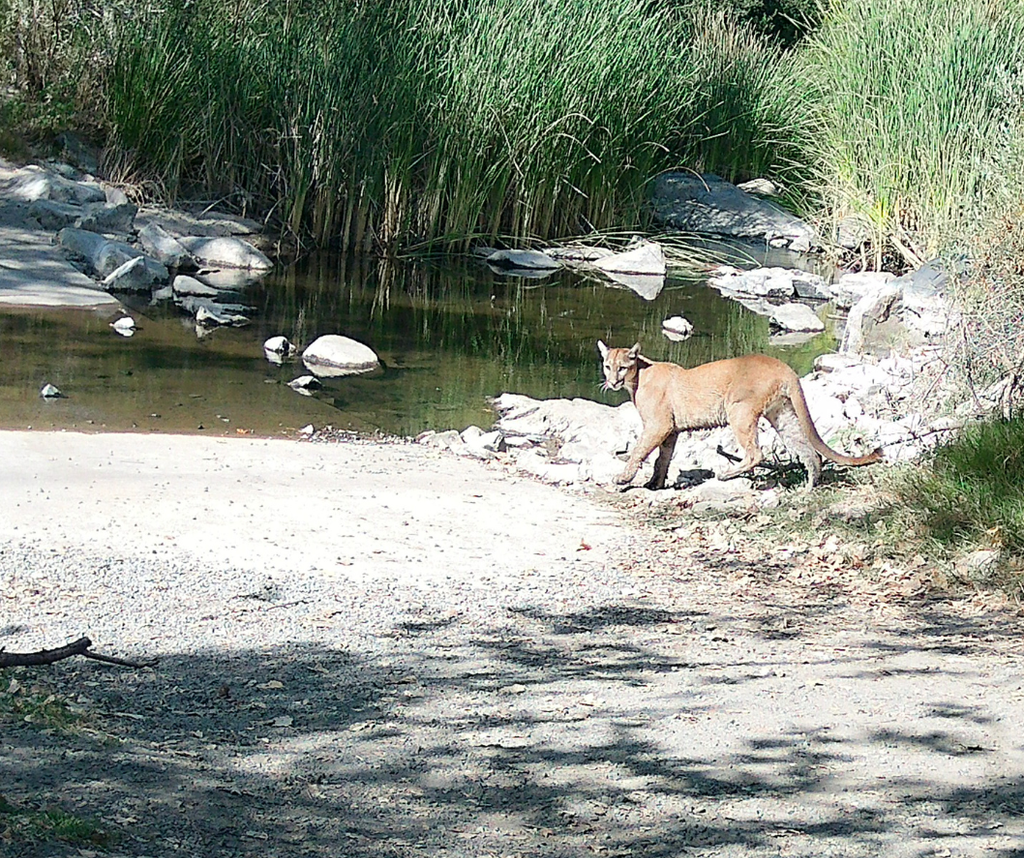
Fall is underway at Mission Trails, and our October newsletter is packed with park news, programs and ways to get involved.
This month, learn more about mountain lions and coexistence in San Diego, get an update on the Mission Trails Regional Park Foundation’s major wildfire prevention and habitat restoration project and see how students are returning to the park for field trips and the fall Eco Ambassadors program.
We’re also highlighting MTRP Foundation Executive Director Jennifer Morrissey and the growth of the Foundation under her leadership, plus sharing plenty of ways to experience Mission Trails this fall. Upcoming programs include the Creepy Critters campfire program, Trail Guide walks and discovery tables, Trail Tykes, stargazing and a free concert by the Left Coast Woodwind Quartet.
You’ll also find details about our upcoming wedding venue open house, the annual Holiday Marketplace, volunteer opportunities and ways to support the nonprofit that helps bring additional resources, programs and projects to Mission Trails.
Read the full October newsletter here.
More than 60 tons of green waste removed from Mission Trails to reduce wildfire risk
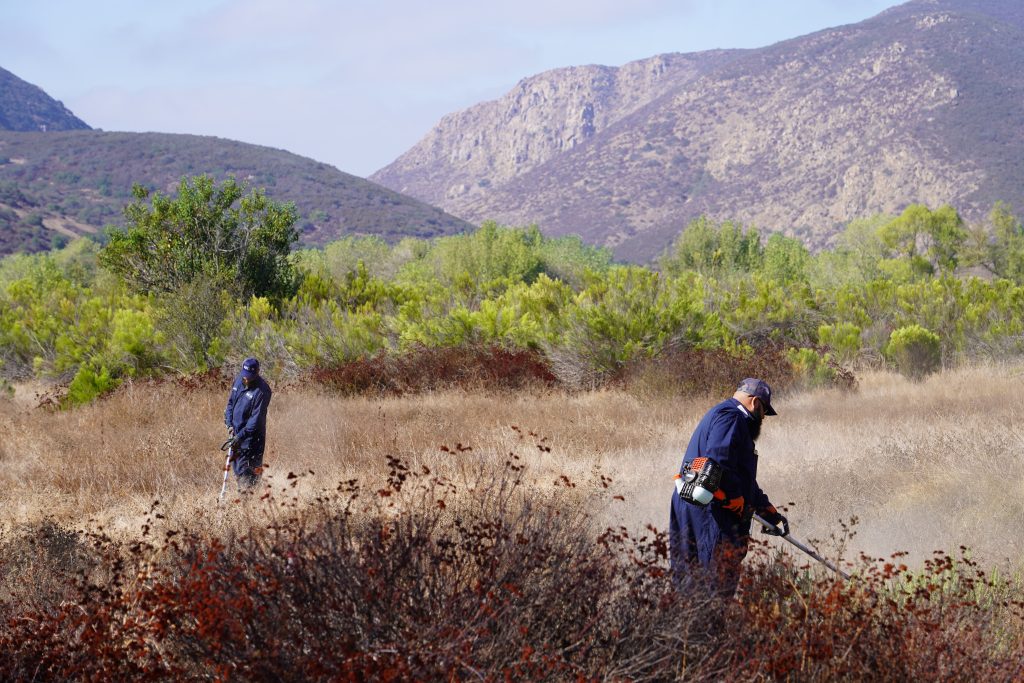
More than 60 tons of green waste have been removed from Mission Trails Regional Park as part of a major, multi-year effort led by the nonprofit Mission Trails Regional Park Foundation in partnership with the City of San Diego to reduce wildfire risk, restore native habitat and protect the San Diego River watershed and nearby communities.
Since September 2024, the Mission Trails Regional Park Foundation’s contractor, RECON Environmental, has carried out invasive vegetation management and habitat restoration work across approximately 756 acres of the park. Crews have removed 29, 40-yard containers of green waste totaling 62.02 tons, roughly the weight of 31 average passenger cars.
The work was made possible by a $1.8 million award from the San Diego River Conservancy and administered by the Mission Trails Regional Park Foundation, which works to preserve the park’s natural habitat and provide educational and recreational programs. The project is being carried out in close coordination with the City of San Diego and illustrates the critical role public-private partnerships can play in bringing additional funding, capacity and expertise to the care of public open space.
The grant runs through fall 2027. The agreement specifically calls for reducing the risk and intensity of fire by reducing flammable fuel loads through invasive, non-native plant removal while protecting native habitat and supporting the San Diego River watershed.
