
October at Mission Trails: Wildlife, Field Trips and Fall Events
Fall is underway at Mission Trails, and our October newsletter is packed with park news, programs and ways to get involved.
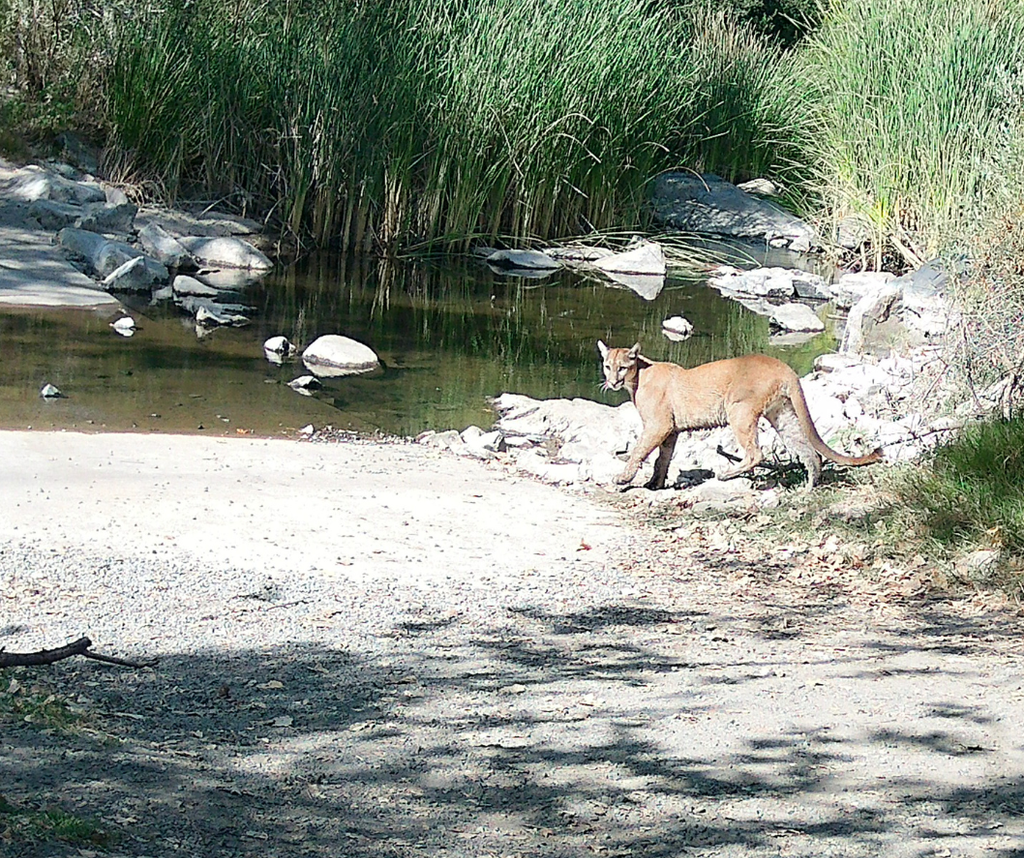
This month, learn more about mountain lions and coexistence in San Diego, get an update on the Mission Trails Regional Park Foundation’s major wildfire prevention and habitat restoration project and see how students are returning to the park for field trips and the fall Eco Ambassadors program.
We’re also highlighting MTRP Foundation Executive Director Jennifer Morrissey and the growth of the Foundation under her leadership, plus sharing plenty of ways to experience Mission Trails this fall. Upcoming programs include the Creepy Critters campfire program, Trail Guide walks and discovery tables, Trail Tykes, stargazing and a free concert by the Left Coast Woodwind Quartet.
You’ll also find details about our upcoming wedding venue open house, the annual Holiday Marketplace, volunteer opportunities and ways to support the nonprofit that helps bring additional resources, programs and projects to Mission Trails.
Read the full October newsletter here.